It seems like the fitness industry is constantly pushing the “magic” you need to reach your goals.
“Take this supplement to see your fat melt away.”
“Do these 5 ab exercises to get a 6 pack in 6 weeks.”
“Do this diet for 30 days to lose weight FAST!”
Whatever it is, it’s usually something that flies off the shelves for one reason:
It sounds EASY.
Because humans are constantly looking for the easy way out.
We’re always looking for the quick fix.
Unfortunately, most supplements, workout routines, and “health hacks” that are marketed thrive off of this idea.
People will buy them in hopes that they are the answer to all of their health problems.
When it doesn’t work (or only works temporarily), they conclude that it “just doesn’t work for them.”
Well, what if I told you that there is a simple solution?
This answer will help you with many of your health goals.
One that is guaranteed to help you get you healthier.
And unfortunately isn’t something that is marketed to the masses.
Because although it’s simple, it’s not that flashy like a lot of the stuff you see on Instagram.
But, I can prove to you that this simple strategy works!
It works for fat loss.
It works for heart health.
It works for regulating blood sugar.
It works for muscle building.
It works for reducing inflammation.
It works for gut health.
Sounds too good to be true, right?
Introduction

Before I get into this, let me introduce myself:
My name is Jacqui and I’m an online Women’s Health & Fitness Coach.
I show everyday women how they can become healthier, stronger, and best version of themselves. We achieve this through exercise, nutrition, and lifestyle changes.
And today I’m giving you a nutrition strategy that I teach every single one of my clients.
Be sure to read this whole article, because there is a ton of tips that will help you to implement this!
What is this “magic” strategy?
There are two parts to this:
- Eating enough protein
- Eating enough fiber
Or, how I like to summarize:
Protein + Plants.
Now, I know what you’re thinking…
“Really Jacqui? That’s it?”
Well, truthfully, I’m oversimplifying this.
But in my experience, most people are undereating these two essential nutrients.
And regardless of what your goals are…
Whether that’s to lose fat mass or improve your health…
These are the two nutrients I would start with for many different reasons.
Why protein and fiber?
Protein and fiber are both considered essential nutrients.
Our bodies can’t produce them on their own, so we have to obtain them from food sources.
Both protein and fiber offer incredible health benefits.
And both protein and fiber are largely under-consumed by the general population.
Now I’m not saying that by consuming protein and fiber all of your problems are going to go away.
But by increasing both in your diet, and swapping out highly processed foods for more protein and fiber, you’re going to see a ton of improvements.
You’re going to have more energy.
You’re going to have better digestion.
You’re going to have better hair and skin.
You’re going to sleep better.
You’re going to have an easier time losing fat.
You’re going to have an easier time growing and maintaining muscle mass.
You could potentially see some improvements in health issues like hypertension and high blood sugar.
This is especially true when paired with consistent exercise and stress management.
Keep reading while I explain the specifics.
Protein
Protein is a building block for our tissues and organs, and plays several roles within the body.
Here’s a few that you will find interesting and applicable to yourself:
- It helps us to build and sustain muscle mass, which is incredibly important for bone strength, metabolism, and longevity. Women are at a higher risk of losing bone density and muscle mass after the age of 40, so increasing protein and adding strength training to your exercise routine is highly recommended!
- It helps us to stay fuller for longer. It curbs those pesky cravings that lead us to overeat. This makes it easier to lose fat.
- It helps your body to recover and repair itself when you’ve been injured or ill.
- It supports a healthy immune system by building antibodies among other functions of the immune system.
- It helps to regulate many other functions of the body. These functions include digestion, hormones, fluid balance, pH levels, the transportation and storage of nutrients, and energy supply.
How much protein should I be eating every day?
Most people are closer to getting the RDA requirements of 0.36g of protein per pound of bodyweight, which might be okay when you are a sedentary person.
But if you are someone who is looking to lose fat mass and/or build muscle…
Or if you’re someone who is trying to be healthier by paying more attention to your nutrition and exercise…
Then I would recommend increasing your protein intake to at least 0.7g of protein per pound of bodyweight for more optimal benefits.
Simply multiply your current bodyweight (in pounds) by 0.7 to get your total daily intake for protein.
Someone who is more athletic may require more protein, upwards of 0.9-1g of protein per pound of bodyweight.
You might be thinking “there’s no way I can eat that much protein!”
There is a big difference between eating the minimum requirements to avoid malnourishment, and eating enough to optimize your health.
Here’s a tip:
I recommend taking your total daily intake (Your current weight x 0.7 = your total daily intake), and dividing it by the amount of meals you usually eat in any given day.
If you are someone who traditionally eats three meals (breakfast, lunch, and dinner), divide your TDI by 3. Aim for that amount per meal.
E.g. You are a 150lb person, so your TDI (150x 0.7 )= 105g of protein/day. You eat three meals a day (105 divided by 3). You aim to eat at least 35g of protein per meal.
35g of protein is a lot less overwhelming.
Take it meal-by-meal to stay feeling satisfied both mentally and physically throughout the whole day, rather than trying to get all of your protein in at once.
What are good sources of protein?

Here are 10 sources of protein that will give you a good start (grams of protein may very):
- Chicken breast, 4oz cooked = 35g of protein
- Turkey breast, 4oz cooked = 28g of protein
- Tofu, 225g = 21g of protein
- Shrimp, 100g = 24g of protein
- Sea Bass, 4oz cooked = 26g of protein
- Chicken burger, 1 patty = 19g of protein
- Egg whites, 5 servings = 18g of protein
- Lean ground beef, 4oz cooked= 24g of protein
- NY Strip steak, 4oz cooked = 23g of protein
- Turkey burger, 1 patty = 20g of protein
You can also try supplements such as protein powder to help you hit your protein goals. (Here’s my personal favorite!)
Try to get a variety of protein sources each day to guarantee that you’re getting the most diversity of amino acids.
Fiber
Dietary fiber is classified as one of two types:
Type 1: Soluble Fiber
- Dissolves in water to form a soft gel-like material, which slows digestion and helps to keep you feeling full
- Can help lower blood sugar levels and blood cholesterol
- Can be metabolized by good bacteria in your gut
Type 2: Insoluble Fiber
- Promotes movement of material through your digestive system
- Increases the stool in bulk
- Good for those that struggle with constipation or irregular bowel movements
Basically, soluble fiber helps you feel full, and insoluble fiber helps you poop.
What do you get out of eating fiber?
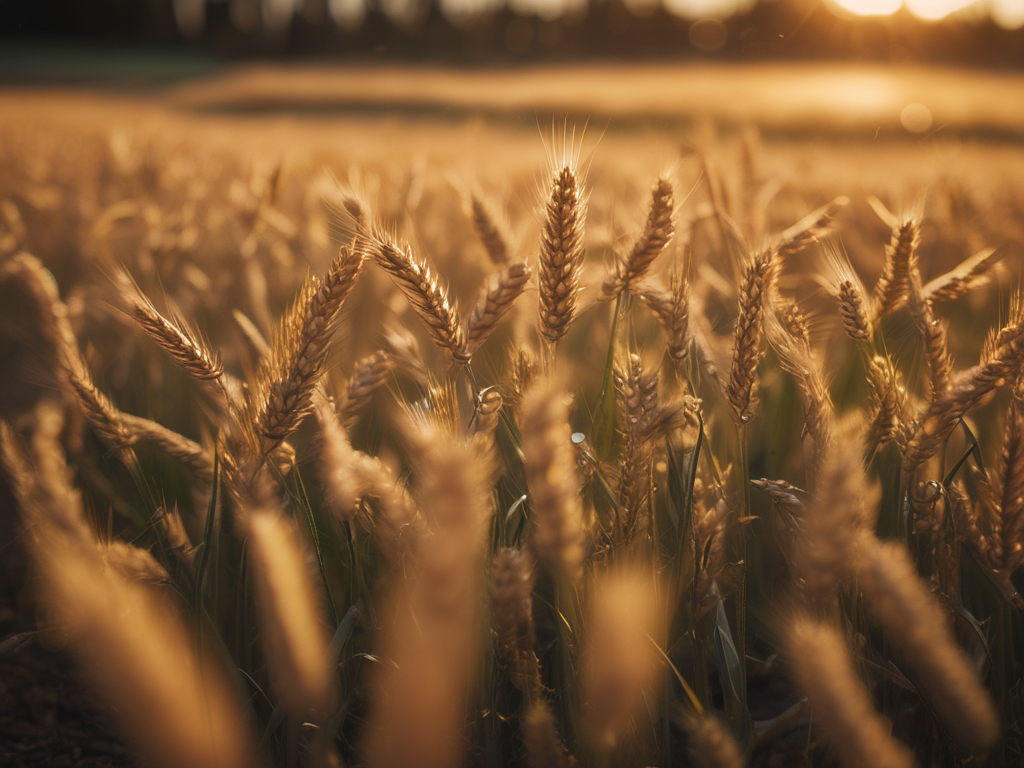
There are so many benefits from eating fiber that you should know about, so here are a few you can take from here today:
- Fiber reduces the rate that sugar is absorbed into your bloodstream
This means that when you eat more fiber, the sugar in your food is absorbed slower. This keeps glucose levels from rising too fast. When you have glucose (sugar) spikes, you can feel hungrier faster. Reducing these spikes lets you feel fuller for longer. When you’re trying to lose fat, this makes being in a calorie deficit much easier!
2. Normalizes bowel movements
Think “smooth move”!
Fiber increases the size and weight of your stool. It also softens it, which makes for a “smoother” experience when you’re using the bathroom.
3. Cleans your colon
Fiber acts like a scrubber, helping to clean out bacteria in your intestines and reducing your risk of colon cancer.
4. Helps you keep a healthy weight
Higher fiber foods tend to be more filling, which helps you feel satisfied for longer.
They also take a bit longer to eat. This lets you avoid overconsumption of calories, and maintain a healthy body fat percentage.
5. High fiber foods tend to be nutritionally dense
By intentionally increasing the amount of fiber you eat in a day, you naturally end up choosing foods that provide other sources of nutritional benefit.
These foods offer micronutrients—vitamins and minerals that will give you sustainable energy and help you feel amazing!
How much fiber should I be eating?

Women should be eating a minimum of 25-30g of fiber a day.
Men benefit closer to 40g of fiber a day.
Currently there doesn’t seem to be a maximum limit. But you may find that with large amounts of fiber intake, you will experience more bloating and digestive discomfort.
The most amount you can have before this happens will likely depend on you as an individual.
It will also depend on how your digestive system handles having more fiber.
As you increase your fiber intake, pay attention to how your body responds.
This will help you get a better idea of how much you can eat without causing digestive issues.
What are some good fiber sources?

Here are 10 fiber sources that will kick you off on your fiber journey:
- Raspberries, 125g = 8g of fiber
- Kellogg’s Bran Buds, 28g = 11g of fiber
- Lentils, 1 cup = 15g of fiber
- Quinoa, 1 cup = 12g of fiber
- Navy beans, 182g = 19g of fiber
- Edamame, 100g = 5g of fiber
- Green beans, 150g= 9g of fiber
- Avocado, 201g= 13g of fiber
- Chia seeds, 28g= 10g of fiber
- Green peas, 160g= 9g of fiber
Other Benefits of Emphasizing Protein and Fiber

Listed below are just a few examples of nutritional approaches to target specific health conditions:
You might be interested to know that these approaches all have something in common:
All 3 of these health-specific diets include recommendations for protein (especially leaner sources of protein) and fiber-rich foods.
Both protein and fiber have roles within the body that contribute to gut health and digestion.
Both play a role in heart health.
Both play a role in blood sugar regulation and insulin sensitivity.
Both play a role in preventing and reversing obesity.
That’s a TON of health benefits right there!
And if you’re someone who values your health and longevity…
The ability to age gracefully and with as little issues as possible…
Both protein and fiber will play a large role in that for you!
Fat Loss Considerations

No strategy is foolproof without having the full context.
So while I say that increasing your protein and fiber can help you with fat loss, there are some considerations we need to take into account.
Ideally when you start to replace highly processed foods in your diet with more protein and fiber-rich foods, you start to see weight loss.
This is a result of feeling fuller and more satisfied.
When you’re more satisfied, and feeling fuller for longer, you’re more likely to eat less.
And we need to eat less in order to be in a calorie deficit to lose fat.
But here is a major tip when it comes to fat loss:
Choose protein sources that give you the most “bang for your buck” when it comes to its calorie/protein ratio.
What you will find is that many protein sources (like various meats) aren’t just made up of protein, but often fats and sometimes carbs as well.
Red meats for example, though are a great protein source and very nutritious, are also high in fat.
Higher in fat also means higher in calories.
So the more red meat you eat, the more likely that you could be putting yourself into a calorie surplus instead of a calorie deficit.
Which means it will be really difficult to lose weight.
While you are in the process of losing weight, it’s easier to keep yourself in a calorie deficit by choosing leaner sources of protein.
Chicken breast, turkey breast, and egg whites are some amazing examples of protein sources that give you the most “bang for your buck”, because their calories mostly come from protein.
Alternatively, I would recommend tracking your food so that you can enjoy the protein sources you love while also making sure you’re not overconsuming in calories.
How to Start Incorporating More Protein and Fiber
- Track your food to see where you’re at.
I recommend MyFitnessPal, MyMacros+, or even FitBit.
Any kind of food tracker that you can enter the specifics of your nutrition can be extremely eye opening to see where you are at with your nutrition.
Once you’ve tracked your food for one or two weeks, work on increasing your protein and fiber bit by bit.
Consistently hitting 50g of protein a day, but you need 130g?
Increase your daily goal to 75g per day for a week.
Once you get consistent with that, increase your goal by another 25g a day.
And continue on like this for both protein and fiber until you reach your optimal intake.
2. Choose a protein, plant and starchy carb for each meal. This will help make your meals more satisfying. You will feel fuller for longer, curb cravings, reduce snacking, and have better digestion.
Meals don’t have to be complex to make them more nutritious!
When you’re planning out your meals for the day, think along the lines of this:
Step 1: What protein sources can I have today?
Breakfast: Eggs + egg whites
Lunch: Chicken
Dinner: Pork Chops
Step 2: What plants can I add to my meals that pair well with the protein I’ve chosen?
Breakfast: Eggs + egg whites, scrambled with spinach and mushrooms
Lunch: Chicken, on top of a pre-mixed salad,
Dinner: Pork chops, corn on the cob
Step 3: What starchy carb can I add to my meals to round it out?
Breakfast: Eggs + egg whites, scrambled with spinach and mushrooms, and a slice of whole grain toast.
Lunch: Chicken, on top of pre-mixed salad, with a handful of crackers on the side.
Dinner: Pork chops, corn on the cob, and air fried potatoes.
Key Takeaways
- Although there’s nothing fancy about it, protein and fiber are two key elements to both fat loss, wellbeing and longevity.
- Everyone benefits from optimizing their protein and fiber intake, whether they are an elite athlete or someone who is brand new to taking on health goals
- Increase your protein to a minimum of 0.7g per pound of your current bodyweight for best results.
- For fiber, women should aim for a minimum of 25-30g daily, and men should aim for a minimum of 35-40g daily.
Individually, protein and fiber are amazing nutrients to place emphases on.
Together, protein and fiber are a super-team of health improvements and quality of life waiting to happen!
Still unsure of how to start?
We’ve got you!
JL Fitness & Lifestyle helps women make nutritional improvements that are realistic and sustainable for them, according to their goals.
There’s no need to worry about us completely overhauling your life (unless you want to!).
We meet you where you’re at.
Book a FREE call with us to see what our coaching services are about.
Or, fill out our application and we will reach out to you!
Not interested in coaching, but still could use some guidance?
Book a one-hour consultation here! We would be happy to help!
References
Bazzano, L. A., He, J., Ogden, L. G., Loria, C. M., & Whelton, P. K. (2003). Dietary Fiber Intake and Reduced Risk of Coronary Heart Disease in US Men and Women. Archives of Internal Medicine, 163(16), 1897. https://doi.org/10.1001/archinte.163.16.1897
Carbone, J. W., & Pasiakos, S. M. (2019). Dietary Protein and Muscle Mass: Translating Science to Application and Health Benefit. Nutrients. https://doi.org/10.3390/nu11051136
High Energy, High Protein Diabetic Guidelines 2022 Patient & Family Guide. (n.d.). Retrieved August 27, 2024, from https://www.nshealth.ca/sites/default/files/documents/pamphlets/0657.pdf
Improve Gut Health: Recognize the Signs of an Unhealthy Gut. (2022, June 24). Healthline. https://www.healthline.com/health/gut-health#takeaway
Jacobs, D. R., Meyer, K. A., Kushi, L. H., & Folsom, A. R. (1998). Whole-grain intake may reduce the risk of ischemic heart disease death in postmenopausal women: The Iowa Women’s Health Study. The American Journal of Clinical Nutrition, 68(2), 248–257. https://doi.org/10.1093/ajcn/68.2.248
Layman, D. K., Clifton, P., Gannon, M. C., Krauss, R. M., & Nuttall, F. Q. (2008). Protein in optimal health: heart disease and type 2 diabetes. The American Journal of Clinical Nutrition, 87(5), 1571S1575S. https://doi.org/10.1093/ajcn/87.5.1571s
Mayo Clinic. (2023, May 25). DASH diet: Healthy Eating to Lower Your Blood Pressure. Mayo Clinic. https://www.mayoclinic.org/healthy-lifestyle/nutrition-and-healthy-eating/in-depth/dash-diet/art-20048456
Slavin, J. (2013). Fiber and Prebiotics: Mechanisms and Health Benefits. Nutrients, 5(4), 1417–1435. https://doi.org/10.3390/nu5041417
Volpi, E., Campbell, W. W., Dwyer, J. T., Johnson, M. A., Jensen, G. L., Morley, J. E., & Wolfe, R. R. (2012). Is the optimal level of protein intake for older adults greater than the Recommended Dietary Allowance? The Journals of Gerontology Series A: Biological Sciences and Medical Sciences, 68(6), 677–681. https://doi.org/10.1093/gerona/gls229
 JL Fitness + Lifestyle
Leave a comment